Why Your Beverly Hills Property Might Need a New Kind of Fence
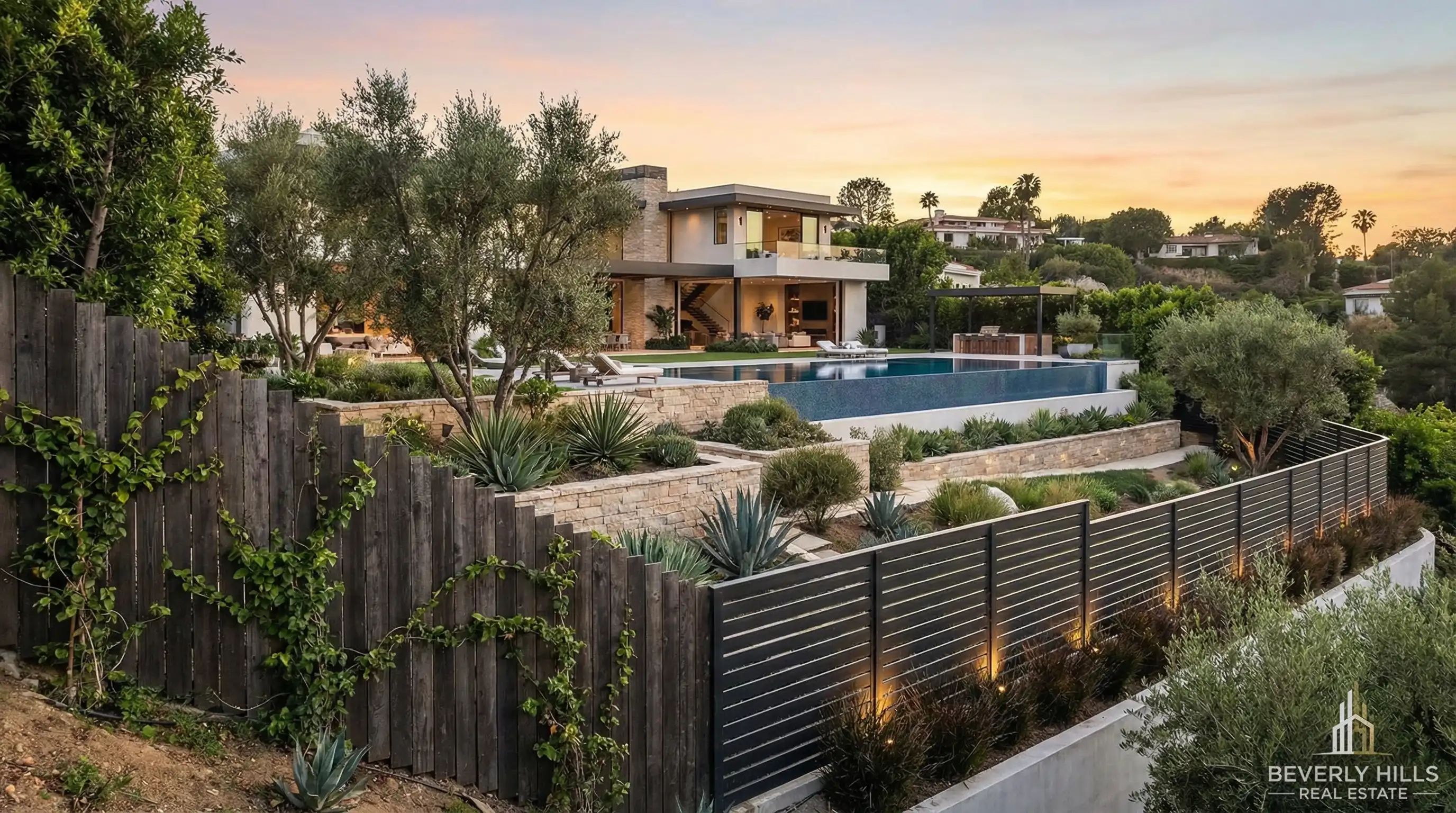
If you own a home in Beverly Hills, you’ve likely caught wind of the new fire codes. Maybe your neighbor brought it up, or you spotted a city notice in the mail. It’s moved beyond just clearing brush. The regulations for what you can build on your property, especially along the edges, have tightened up. For an area famous for its estates north of Sunset and those lush, private gardens, this reshapes the whole conversation about fences, walls, and gates.
This isn’t about fear. It’s a practical shift in how we view our homes here. A classic wooden fence isn’t just an aesthetic choice anymore; it can be a real risk. This guide will cover what’s different, why materials like aluminum, steel, and modern composites are becoming the standard pick in Beverly Hills, and what you should consider to protect your property and stay within the rules.
The new rules for fences in Beverly Hills
California’s updated fire codes, especially the rules from AB 3074, have changed what “defensible space” means. It’s split into zones. Zone 0 is the first five feet right next to your house—the “ember-resistant” area. Anything in this space, including fences, gates, and decks attached to the home, must be built with non-combustible or ignition-resistant materials.
Working on a project in Beverly Hills?
See local service options, material guidance, and nearby project coverage for Beverly Hills.
Explore Beverly HillsIn Beverly Hills, this is a real concern. The city’s Fire Department actively checks construction plans for compliance. For homes in the hillside areas—like the winding roads off Benedict Canyon or above Coldwater Canyon—this review is extra thorough. The idea is to stop a flying ember from a distant fire from landing on your fence, catching it on fire, and letting those flames jump to your home’s siding or eaves. A wood fence in Zone 0 can act like a wick.
This has created a specific local need. Homeowners aren’t just shopping for a fence; they’re looking for a fire-resistive assembly. They need options that meet the California Building Code Chapter 7A rules, look right for a Beverly Hills property, and can handle our climate. That last part matters: a metal fence that rusts in two years because it wasn’t rated for our occasional damp ocean air isn’t solving anything.
Why metal and composite are the go-to materials here
So, what are people picking? Aluminum, steel, and high-quality composite fencing are leading, but for different reasons.
Aluminum fencing is a common choice because it won’t burn, it’s light, and it fights off corrosion really well. For a powder-coated aluminum fence, you get something that doesn’t rust, doesn’t warp, and needs almost no upkeep. You see it a lot for pool areas and boundary fences in flatter spots like the Flats, south of Santa Monica Boulevard. The styles have come a long way from the basic industrial look; you can find aluminum that looks like detailed wrought iron but without the maintenance headache.
Steel fencing is the heavier-duty option. It’s stronger and often used for more substantial, security-focused gates and entryways, especially for those larger estates. The finish is critical. A galvanized steel frame with a proper powder-coat finish is a must. A cheap paint job will bubble and peel, leaving the steel exposed. For a driveway gate off Sunset or a perimeter wall, steel gives a feeling of solidity and permanence that fits the architecture.
Composite fencing and decking fill a specific role. While the core plastic and wood fiber material is usually ignition-resistant, not all composites meet the Zone 0 rules. You have to look for products with a specific Class A fire rating. Where composite really works is for attached decks and privacy screens. It gives you the warm look of wood without the fire risk, which is ideal for an outdoor living space right next to the house. It’s a popular pick for updating older patios in areas like the Triangle.
Finding the right installer in Beverly Hills
This isn’t your average DIY job. Because you’re dealing with code rules, the installer’s skill matters as much as the material. Here’s what to ask any contractor you’re thinking about in the Beverly Hills area:
- Ask about their experience with Chapter 7A and AB 3074. They should be able to explain Zone 0 requirements to you easily and show you past jobs that passed city inspection.
- Get the material specifics. Don’t just settle for “aluminum fence.” Ask for the brand, the metal gauge, and the type of powder-coat finish. For composite, get the manufacturer’s fire rating paperwork.
- Check how they do foundations and attachments. A steel post stuck straight into wood is a problem. A proper install usually needs concrete footings and metal brackets that separate the fence from any combustible parts of your house.
- Look at their local portfolio. A fence that works in the desert isn’t the same as one for a shaded hillside lot. They should get local soil, wind patterns, and what the city expects things to look like.
A good local company, like Modern Fence & Deck, will handle the permit process with the City of Beverly Hills as part of the job. They know which plan reviewers are picky about certain details and can submit the right technical sheets from the material makers to avoid holdups.
Local details you shouldn’t overlook
Beyond the codes, living in Beverly Hills adds a few extra considerations.
First, property lines and surveys. On smaller, older lots in the Golden Triangle, an inch counts. Putting in a new fence is the time to check your property lines with a certified survey. You don’t want a fight with a neighbor because the new foundation for your fire-conscious fence crosses over by half a foot.
Second, homeowner associations (HOAs) and historic districts. Many of the city’s condo buildings and some neighborhoods have strict design rules. A modern, simple aluminum design might not be okay in a Spanish Colonial Revival area. You often need to get the design approved by the HOA before you even apply for the city building permit. Build this into your schedule.
Third, the “Beverly Hills” finish. This isn’t just about working. The finish has to be perfect. Gaps, messy welds, or a paint job you can see brush strokes in won’t cut it. The installation should be clean, with straight lines and perfect alignment, because the expectation here is for a final product that looks as good as it functions.
Getting a fence that works for your home
Start with someone looking at your property. A solid contractor will come out, walk the lot with you, and point out what’s in Zone 0. They’ll show you where an existing wood fence touches your stucco, or where a trellis over the back patio could be an issue.
From there, it’s a talk about design, material, and cost. For a full perimeter replacement with a custom steel gate, you might be looking at a big investment. For just replacing the five-foot section of fence attached to your garage, it could be a smaller project. The main thing is to get a detailed quote that lists material costs, labor, permit fees, and any concrete work.
Don’t wait for fire season. The permit and installation process can take weeks, especially if you need HOA approval. Planning in the spring or fall is usually better than trying to rush it in June.
Final thoughts
Upgrading to a fire-smart fence in Beverly Hills isn’t just about ticking a box for the fire department. It’s a real upgrade to your property’s safety and durability. It takes away a major weak spot and, if done right, can really improve your curb appeal and property value. In a community that cares about both looks and security, picking the right non-combustible fencing is one of the smartest, most forward-looking investments you can make for your home.
Ready to see what your choices are? The first step is figuring out what your property actually needs. A local pro can help you work through the codes, the materials, and the design to find a solution that lets you stop stressing about your fence and start using your outdoor space again.
FAQ
Q: Does my entire fence need to be replaced if I live in Beverly Hills? A: Not always. Only the parts within five feet of any building on your property (your house, garage, guest house) fall under the strictest Zone 0 rules. Fencing farther away might have different material needs, but the part right next to your home is the main focus.
Q: Is a vinyl fence fire-resistant? A: Most vinyl fencing isn’t a good pick for Zone 0. While it might not catch fire as fast as wood, it can melt and warp from the heat, failing as a barrier. It usually doesn’t meet the non-combustible or ignition-resistant standards the updated code asks for.
Q: How long does the permit process take in Beverly Hills? A: For a simple residential fence replacement that clearly follows the rules, plan for 2 to 4 weeks for plan review and getting the permit from the City of Beverly Hills Building and Safety Division. More complicated projects or ones in hillside areas can take longer.
Q: Will a metal fence increase my property value? A: In today’s market, especially in fire-prone parts of California, documented safety and code-compliant upgrades are a plus. A well-designed, high-quality metal or composite fence is seen as a permanent, low-maintenance feature, which can be appealing to buyers later on.
Q: Can I keep my existing brick or stone wall? A: Masonry walls are generally non-combustible and okay. The trouble often comes with wooden gates set into those walls or any wooden framing attached to them. Those parts within Zone 0 would probably need to be swapped out for a metal or fire-rated composite option.
Verification note (updated March 26, 2026): Regulatory requirements can vary by parcel, jurisdiction, and inspection cycle. Confirm current requirements with your AHJ and official California sources before final design or contract decisions: PRC 4291, Board of Forestry Zone 0 updates, and OSFM FHSZ maps.