Fire-Aware Fencing Options for Fire-Prone Areas
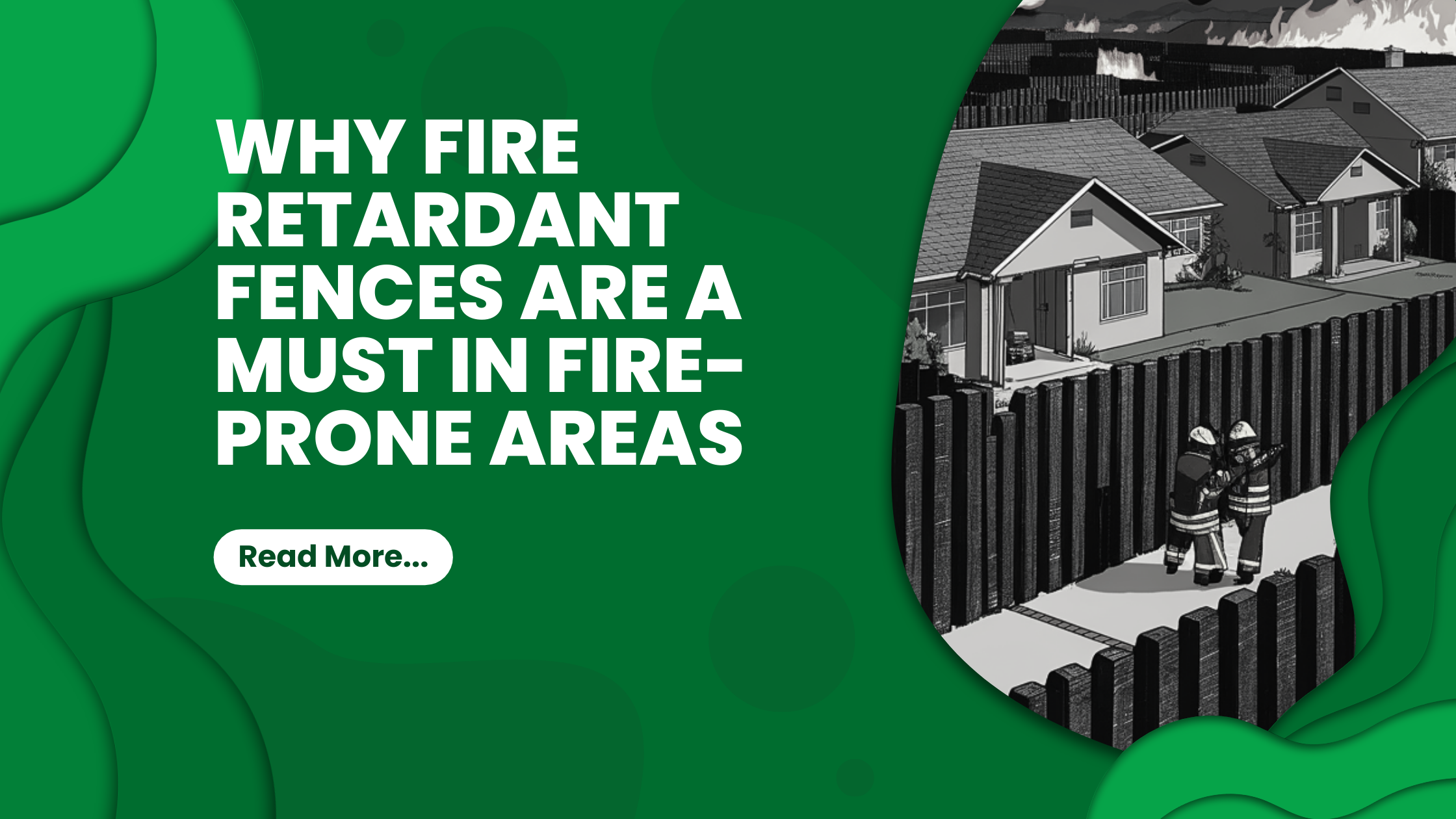
Fire-aware fencing can be one part of a broader defensible-space and perimeter-planning strategy. Product documentation, installation details, site conditions, vegetation management, and AHJ review all determine whether a given fence system is appropriate for a fire-prone property.
The Importance of Fire Retardant Fences
Modern Fence and Deck offers comprehensive fire protection planning incorporating fire-resistant fencing alongside complementary safety features. Our approach emphasizes material selection as crucial for effective fire protection.
Selecting Fire-Resistant Materials
Some composite products may be appropriate when manufacturer documentation supports the fire-performance claims for the specific product and assembly. Key characteristics to review include:
- Durability and extended lifespan
- Documented fire-performance characteristics
- Low-maintenance requirements
- Multiple color and style options
Alternative materials include steel, aluminum, and concrete—each with different non-combustible or documented fire-performance options depending on product, assembly, exposure, and AHJ review.
Integration with Additional Safety Measures
Comprehensive fire protection combines fencing with:
- Fire-resistant decking using composite or metal materials
- Defensible landscaping with fire-resistant plants
- Strategic custom lighting for emergency visibility
Documented Composite Options
- Superior fire resistance compared to standard wood
- Weather resilience and decay prevention
- Environmentally conscious (recycled materials)
- Aesthetic versatility for any property style
Maintenance Recommendations
Regular upkeep involves periodic cleaning, structural inspections, and professional annual servicing to maintain protective properties. Proper maintenance ensures your fire retardant fence continues to provide optimal protection year after year.
Protect Your Property from Wildfires
Contact us to discuss fire retardant fencing options for your home.
Get a Free QuoteVerification note (updated March 26, 2026): This article is informational only. Fire-hazard mapping, code requirements, defensible-space rules, insurance treatment, and material acceptance can vary by parcel, product, and AHJ. Confirm current requirements with official California sources and your local building department, fire authority, or insurer before relying on an article for compliance decisions: OSFM FHSZ maps, OSFM Wildland Hazards and Building Codes, BOF Zone 0 / Defensible Space updates, and CAL FIRE Ready for Wildfire.