Why Composite Fences are the Future of Trash Enclosures
Municipal requirements across Southern California mandate that trash collection areas remain concealed from public view. Cities like San Diego, Riverside, and Orange County enforce specific ordinances requiring architectural enclosures that obscure refuse containers while matching surrounding structures.
Local Regulations
Understanding local requirements is essential for compliance:
- San Diego mandates at least a six-foot-high solid enclosure
- Riverside requires trash areas to be invisible from public streets and adjacent residential areas
- Orange County demands enclosures maintain pristine appearance to prevent appearing dilapidated, decaying, disfigured, or partially ruined
Why Composite Materials Excel
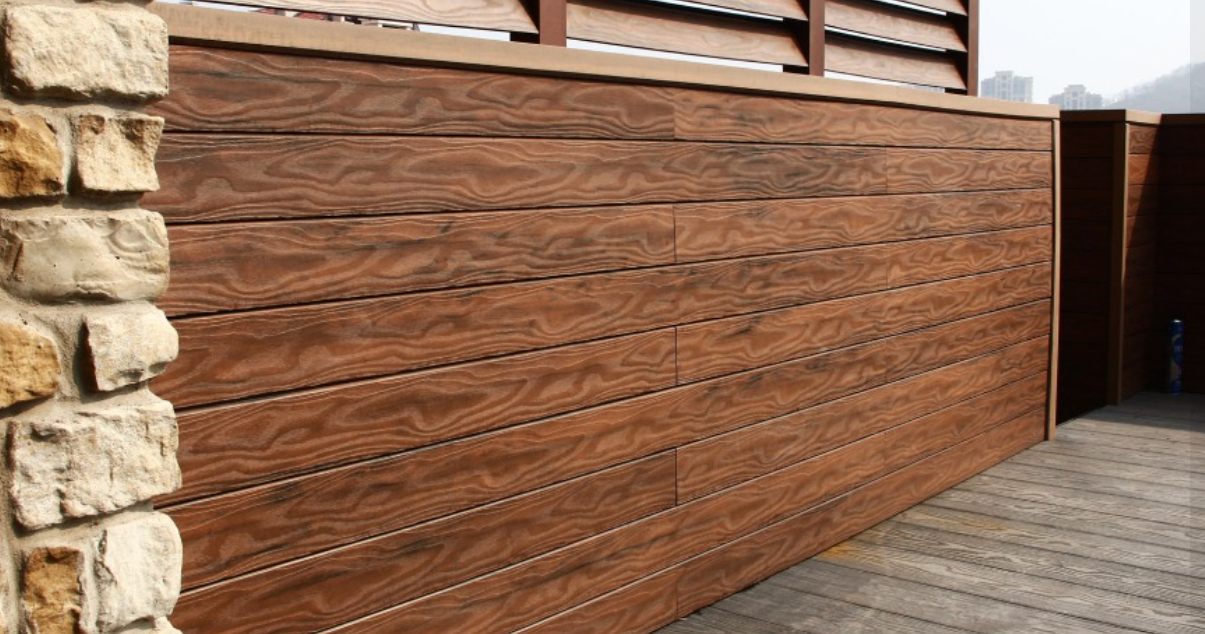
Composite fences—manufactured from wood fiber and plastic blends—outperform traditional wood in waste management applications. Unlike wood, which develops cracks, warping, and rot, composites resist deterioration from environmental exposure and refuse proximity.
Key Advantages
- Exceptional durability against harsh elements
- Straightforward installation and minimal maintenance requirements
- Stain and odor resistant surfaces that stay clean longer
- Aesthetic versatility to match various architectural styles
- Long-term cost-effectiveness with lower lifetime maintenance
The Forward-Thinking Choice
Composite fencing represents a forward-thinking choice for meeting expanding Southern California waste management regulations while enhancing urban aesthetics. As municipalities continue to update and enforce enclosure requirements, composite materials offer the durability and appearance needed to stay compliant for years to come.
Need a Trash Enclosure Solution?
Contact us to discuss composite fencing options for your property.
Get a Free QuoteVerification note (updated March 26, 2026): This article is informational only. Fire-hazard mapping, code requirements, defensible-space rules, insurance treatment, and material acceptance can vary by parcel, product, and AHJ. Confirm current requirements with official California sources and your local building department, fire authority, or insurer before relying on an article for compliance decisions: OSFM FHSZ maps, OSFM Wildland Hazards and Building Codes, BOF Zone 0 / Defensible Space updates, and CAL FIRE Ready for Wildfire.