Non-Combustible Aluminum Fencing Options for California Homes
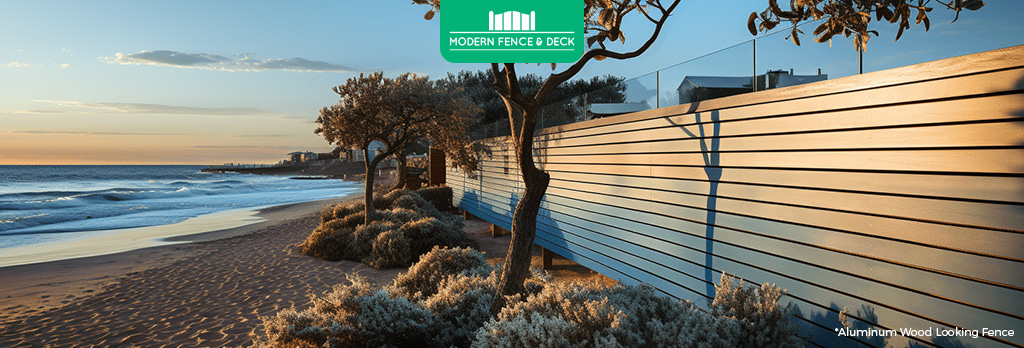
For California homeowners facing rising temperatures, droughts, and wildfire threats, perimeter material choices matter. Aluminum fencing can support a fire-aware plan while still fitting modern residential design goals.
Why Non-Combustible Fencing Options Matter in California
California's wildfire-prone landscape makes combustible fence materials worth careful review, especially near structures. Aluminum is commonly used in fire-aware fence planning because it does not add wood or vinyl fuel to the perimeter.
Benefits of Non-Combustible Aluminum Fencing Options
1. Non-Combustible Material Choice
Aluminum can reduce combustible material at the property edge compared with wood or vinyl. Product documentation and local AHJ review still matter for any project-specific fire-performance decision.
2. Low Maintenance and Long-Lasting
Aluminum resists rust, corrosion, UV damage, rotting, and fading—requiring minimal upkeep compared to wood or vinyl alternatives. This translates to lower lifetime costs and less hassle for homeowners.
3. Aesthetic Versatility
Modern aluminum options offer various styles and finishes that can mimic wrought iron or contemporary designs without the maintenance burden. You do not have to sacrifice aesthetics to choose a lower-fuel perimeter material.
4. Increases Property Value
Fire-aware exterior improvements can help buyers understand how a property has been planned. Market value and insurance treatment vary, so avoid assuming a guaranteed financial outcome.
Why Choose Modern Fence & Deck?
- Product documentation available for select materials and assemblies
- Local installation teams familiar with Southern California site constraints
- Custom designs tailored to your property and aesthetic preferences
- Fire-aware planning that accounts for material transitions, gates, and attachments
Ready to Protect Your Home?
Contact us today to explore non-combustible aluminum fencing options for your California home.
Get a Free QuoteVerification note (updated March 26, 2026): This article is informational only. Fire-hazard mapping, code requirements, defensible-space rules, insurance treatment, and material acceptance can vary by parcel, product, and AHJ. Confirm current requirements with official California sources and your local building department, fire authority, or insurer before relying on an article for compliance decisions: OSFM FHSZ maps, OSFM Wildland Hazards and Building Codes, BOF Zone 0 / Defensible Space updates, and CAL FIRE Ready for Wildfire.