7 Mixed Fencing Design Materials
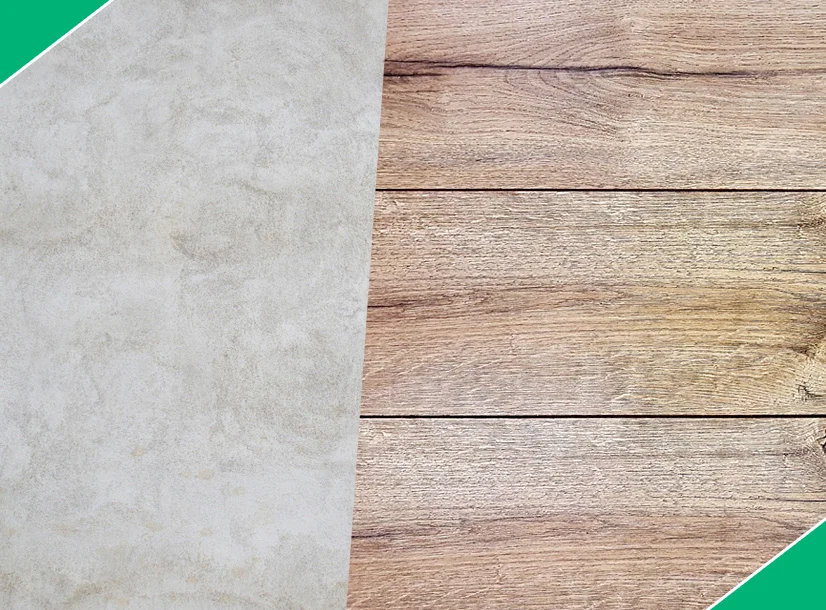
Combining multiple building materials in fence construction can enhance functionality, add unique character, and improve cost-efficiency. Here are seven materials that work well in mixed fencing designs.
1. Metal Sheeting
Three variants offer different aesthetics: corrugated metal is the more affordable option and works well placed next to hanging vines or within wood framing. Laser-cut metal sheets offer customizable pre-etched designs, while solid metal sheets provide a minimalist approach.
2. Solid Concrete
Concrete offers affordability and low maintenance with top-notch soundproofing and Class A fire resistance. It prevents pets from digging around the perimeter and serves as a sturdy base for wood planks or other materials.
3. Bamboo
Bamboo is cheap, resilient, and relatively easy to install due to its lightness. It presents an eco-friendly alternative to traditional wood with comparable performance and a distinctive natural aesthetic.
4. Frosted Glass
Glass fencing creates openness while maintaining privacy. Frosted glass can be made with sand-blasting or acid-etching, each method offering distinct advantages for different design goals.
5. Planted Screens
Planted screens and trellises can soften portions of a fence, but Modern Fence & Deck keeps its work focused on fencing, gates, walls, and perimeter construction. For artificial greenery privacy walls, visit artificial privacy hedge installation by Califauxscapes.
6. Lattice
Classic lattice accents wooden fencing and supports climbing vegetation, functioning as both decorative and functional elements. It adds visual interest while allowing airflow.
7. Gabions
These rock-filled structures are cheap, relatively easy to install, and require zero maintenance. They gain character over time and can transition seamlessly into retaining walls where needed.
Create Your Custom Mixed Fence
Contact us to discuss mixed material fencing options for your property.
Get a Free QuoteVerification note (updated March 26, 2026): This article is informational only. Fire-hazard mapping, code requirements, defensible-space rules, insurance treatment, and material acceptance can vary by parcel, product, and AHJ. Confirm current requirements with official California sources and your local building department, fire authority, or insurer before relying on an article for compliance decisions: OSFM FHSZ maps, OSFM Wildland Hazards and Building Codes, BOF Zone 0 / Defensible Space updates, and CAL FIRE Ready for Wildfire.